Recreational Therapy
Where shared activities build confidence, connection, and well-being.
Purposeful play
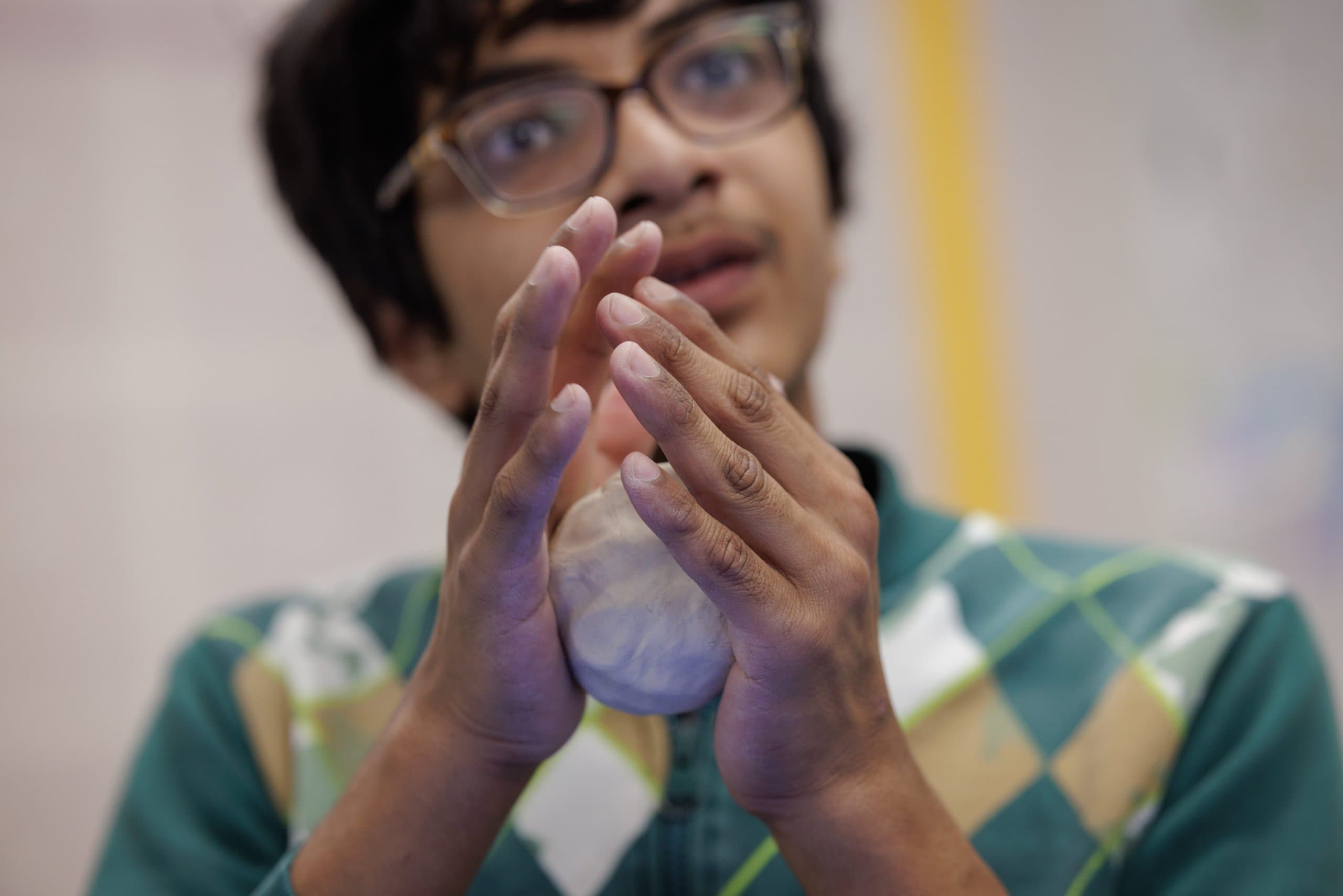
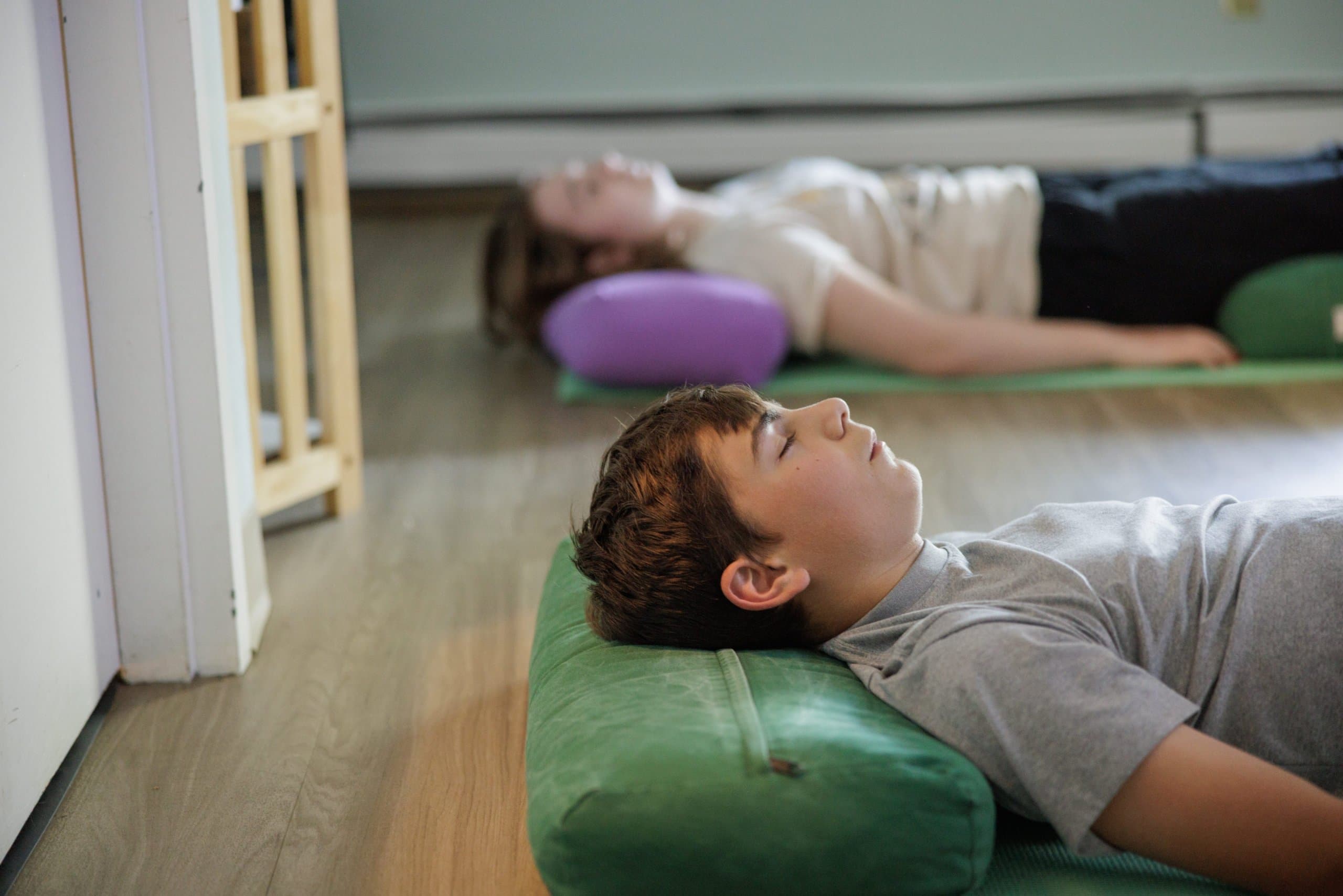
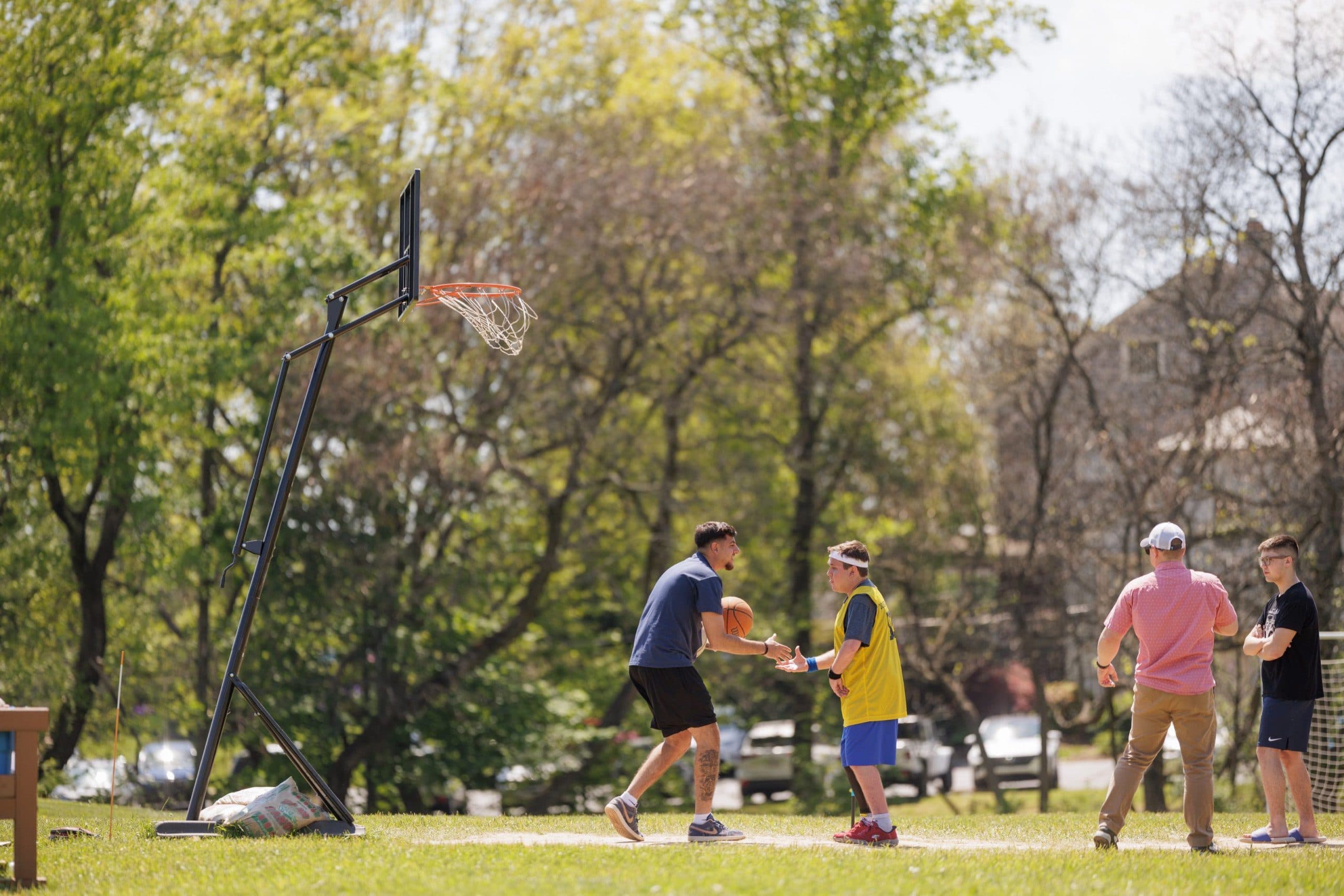
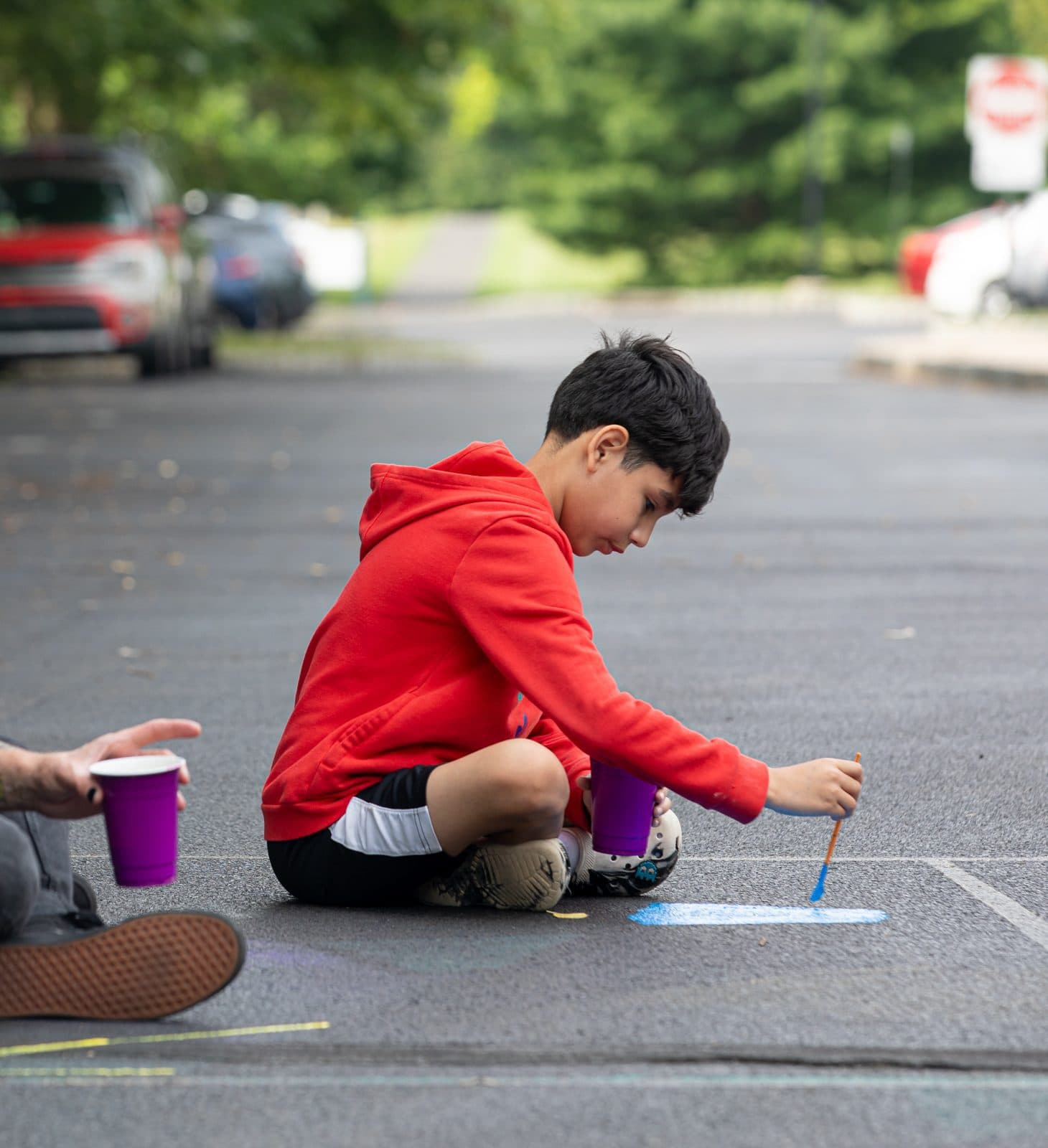
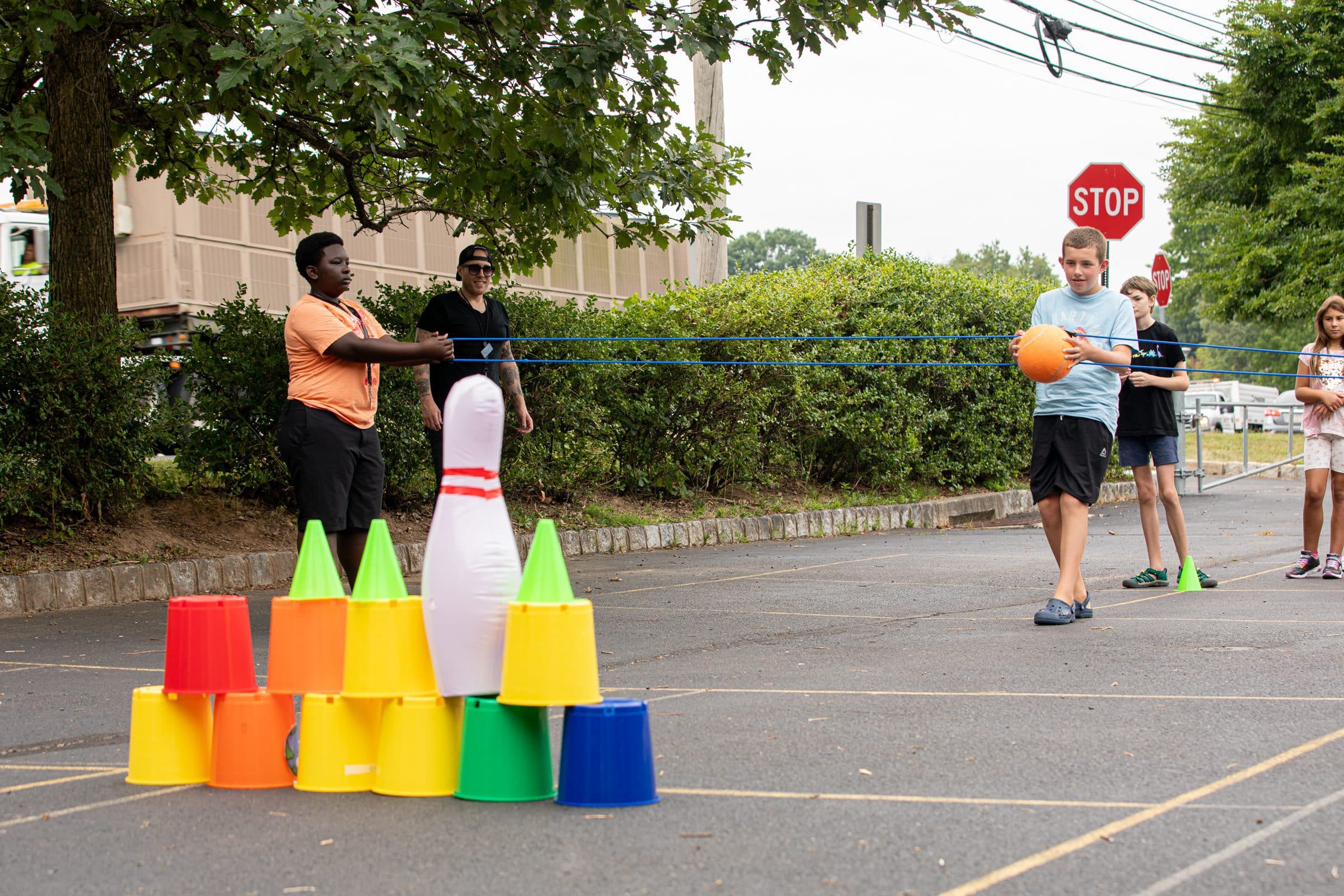
Baking. Bullet journaling. Scavenger hunts. Nature walks. These may not look like therapy at first, but activities like arts and crafts, sports, and games can improve a person’s physical, cognitive, social, and emotional health. When activity-based interventions are used this way to support students with complex challenges, it’s called Recreational Therapy, and TQS builds it directly into our academic programs.
What students experience
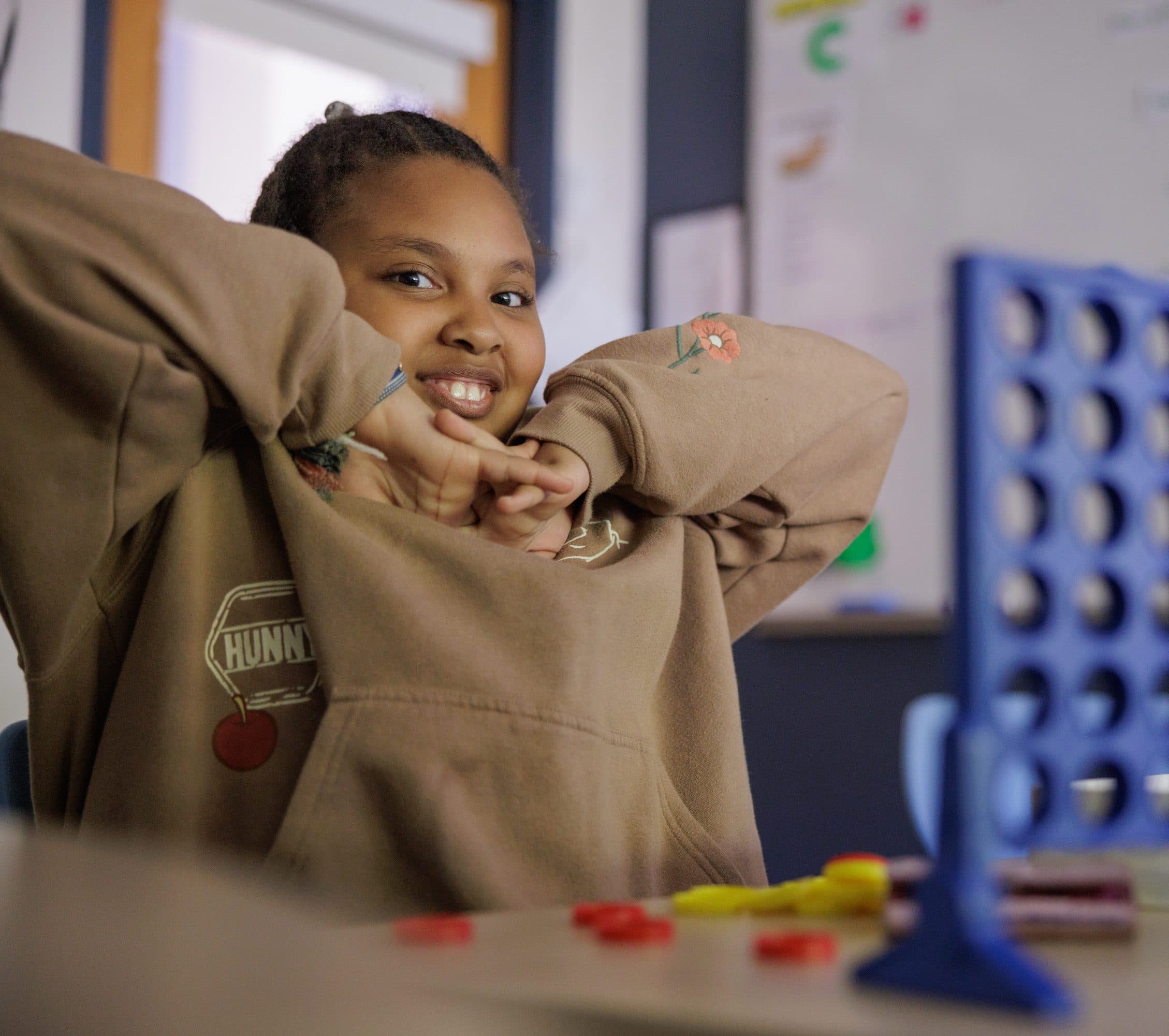
Students take part in 45-minute group Recreational Therapy classes connected to what they’re learning in academic classes. These sessions use evidence-based practices tied to measurable goals.
Students typically experience:
Skills that carry beyond the classroom
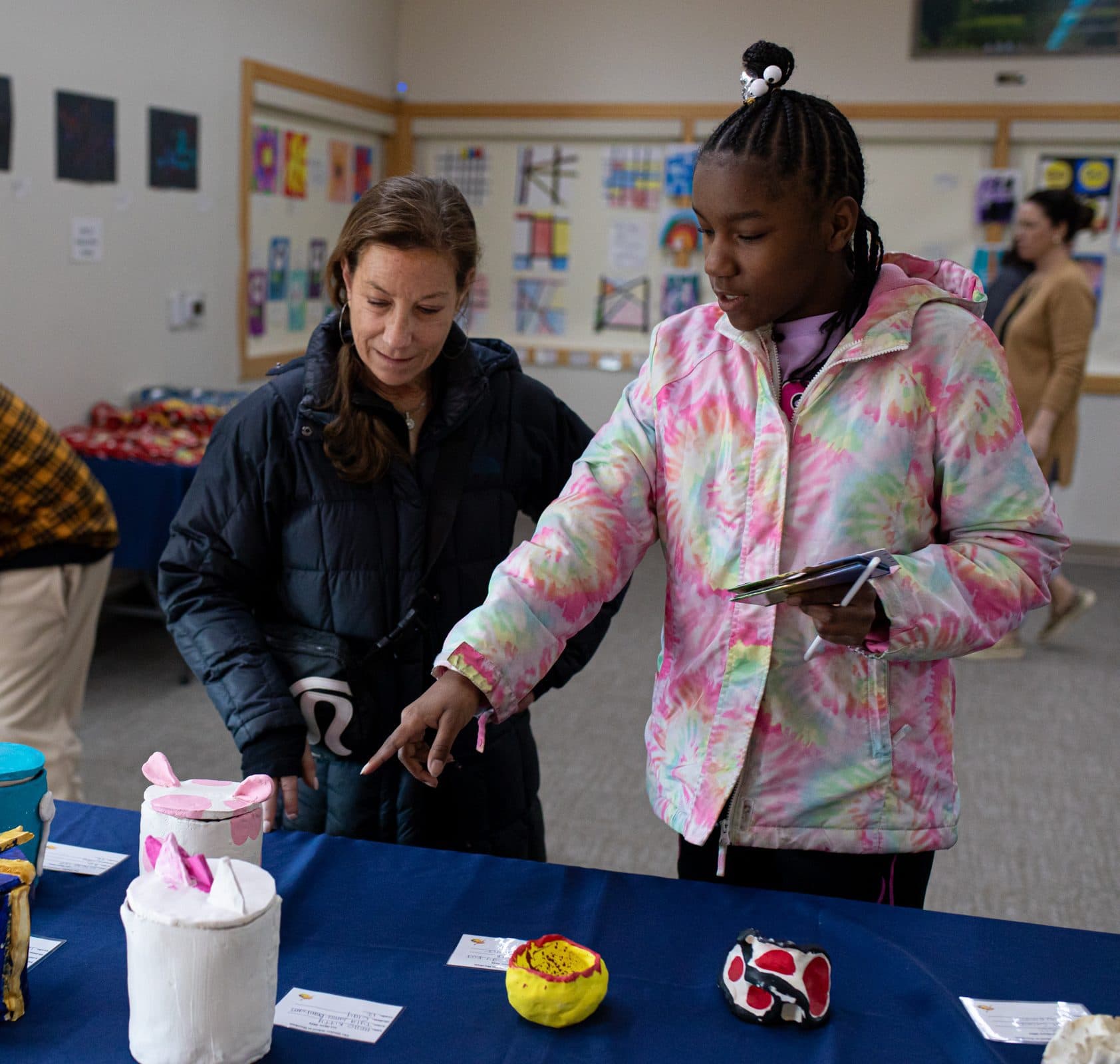
The main goal is to build students’ interpersonal interaction skills while they take part in activities they genuinely enjoy. Over time, Recreational Therapy can help increase emotion identification, self-advocacy, self-expression, and social and coping skills. It also supports independence in daily activities, strengthens communication and confidence, and can increase frustration and sitting tolerance while reducing anxiety, stress, and outbursts.
Want to learn more?
If you'd like to understand more about how developmental learning works at TQS, we're happy to talk it through.