Individual Therapies
Individual therapy services provide additional support to help every TQS student thrive.
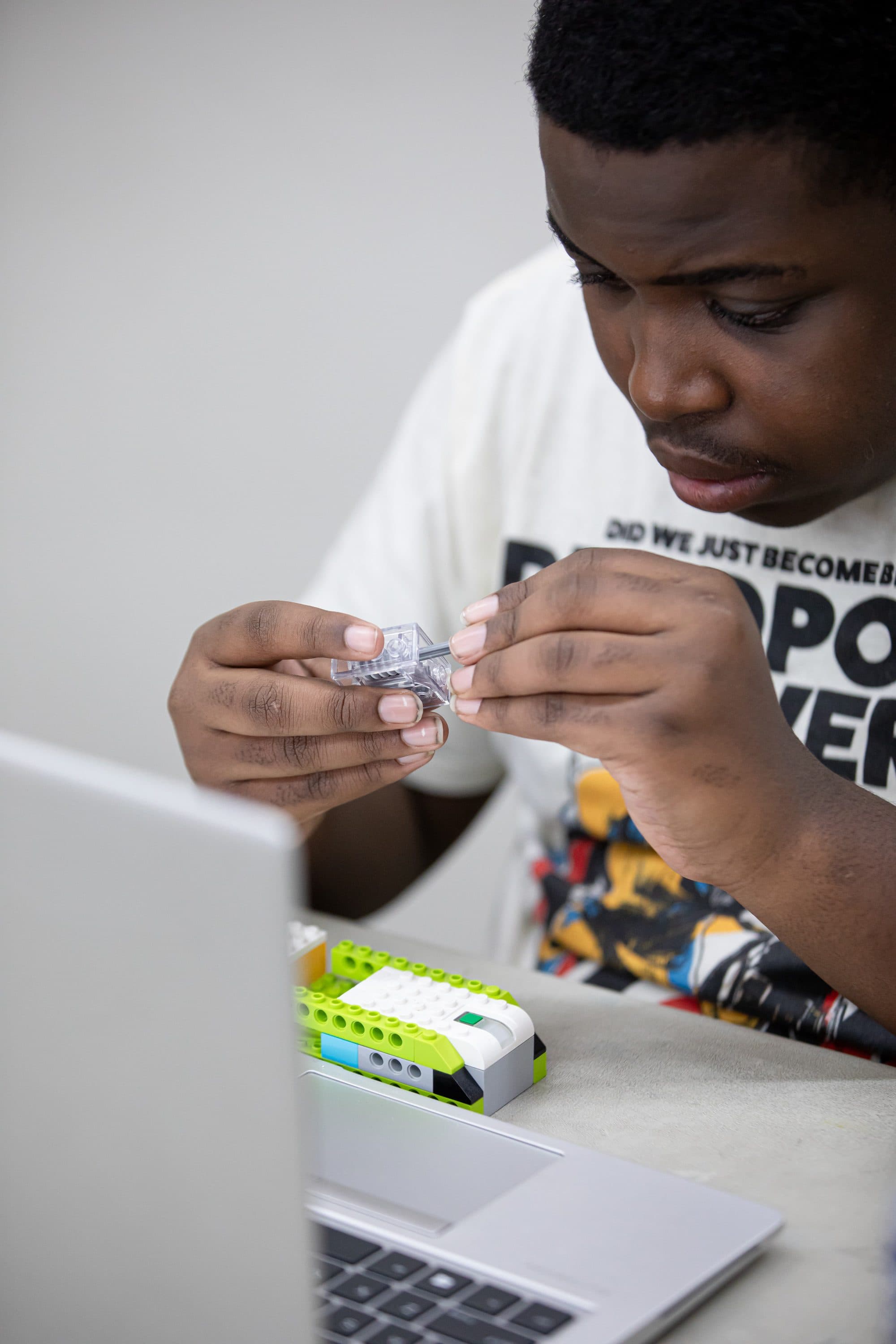
Tailored interventions for individual growth
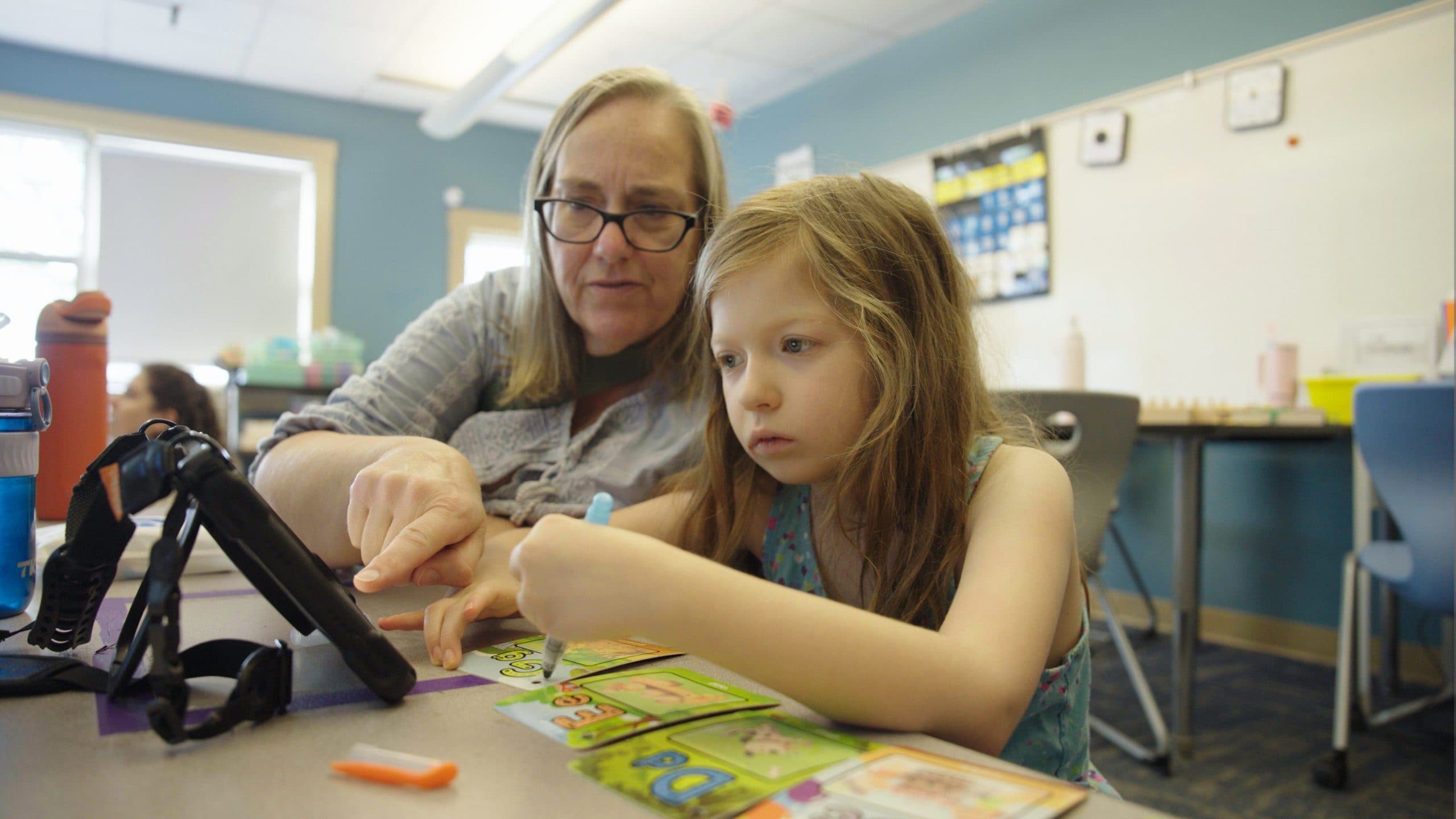
For students who benefit from additional individualized support, TQS offers therapy services tailored to their unique needs. Our licensed psychologist, occupational therapists, physical therapists, and speech-language therapists provide targeted interventions that build on each student’s educational program while collaborating closely with families and school staff to support meaningful progress.
Support is offered on a fee-for-service basis, and while some of it happens in context, many students also work one-on-one outside the classroom when that’s the better fit.
Hours of clinical services received by TQS students per year, including speech therapy, occupational therapy, psychology services, and more.
5,000+
Speech & Language Therapy
Helping students put thoughts into words
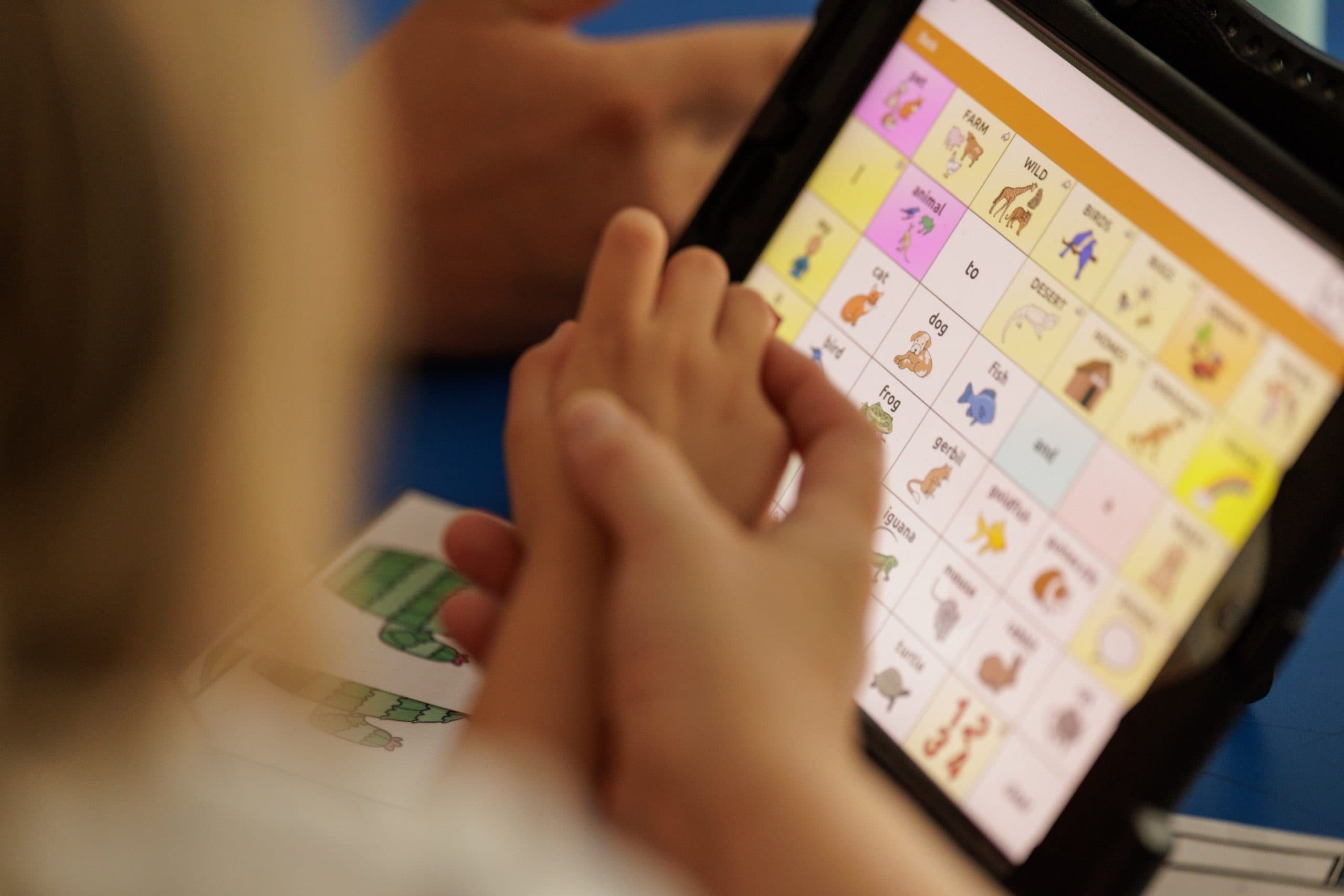
Communication looks different for every student at TQS. Some students are developing language and finding ways to express themselves. Others are working on social communication — how to initiate a conversation, respond to a question, or read a social situation. Speech therapy at TQS supports all of these areas, meeting each student where they are.
Support commonly helps students with:
Psychological Services
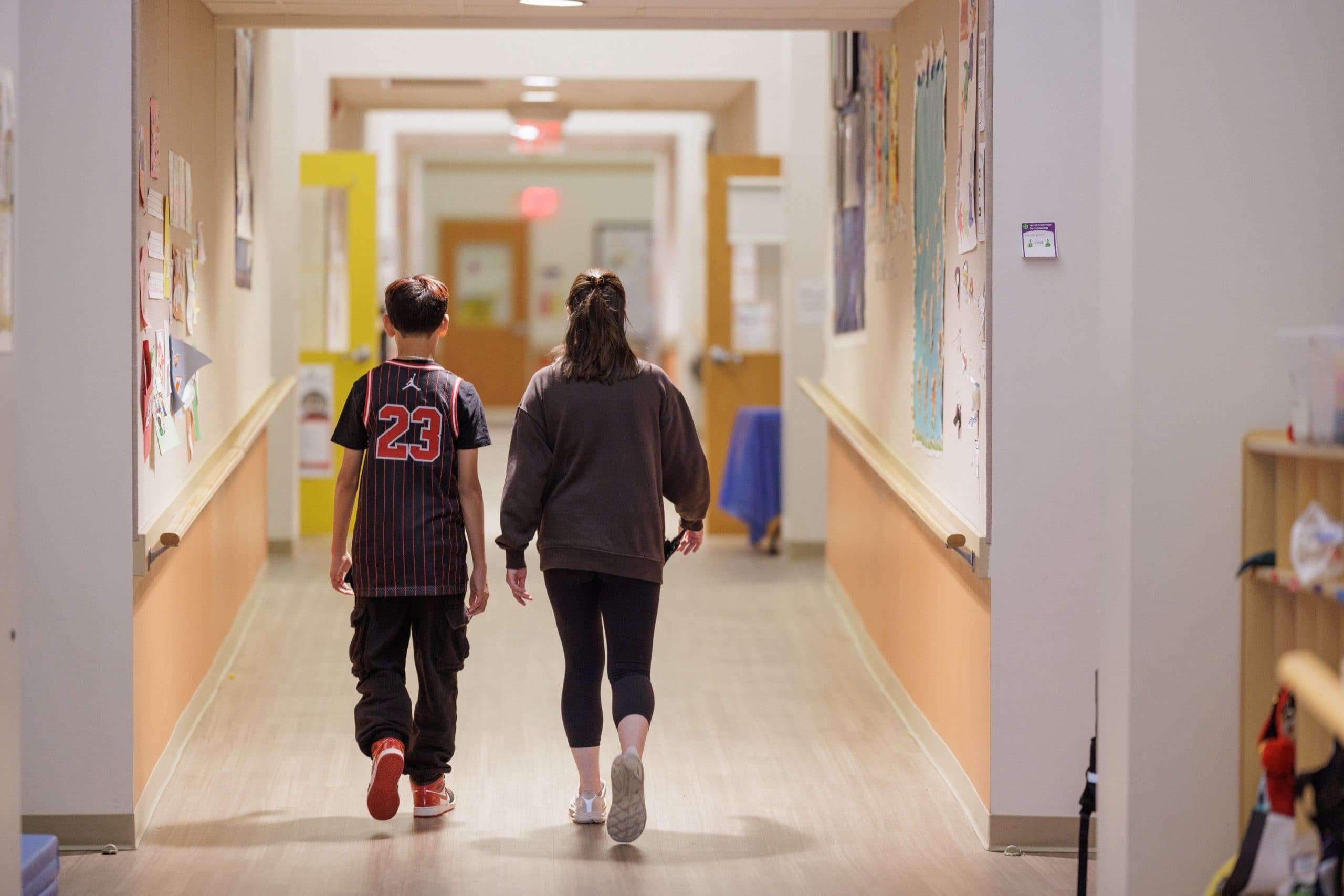
Promoting emotional regulation and wellbeing
Physical Therapy
Helping students move with confidence
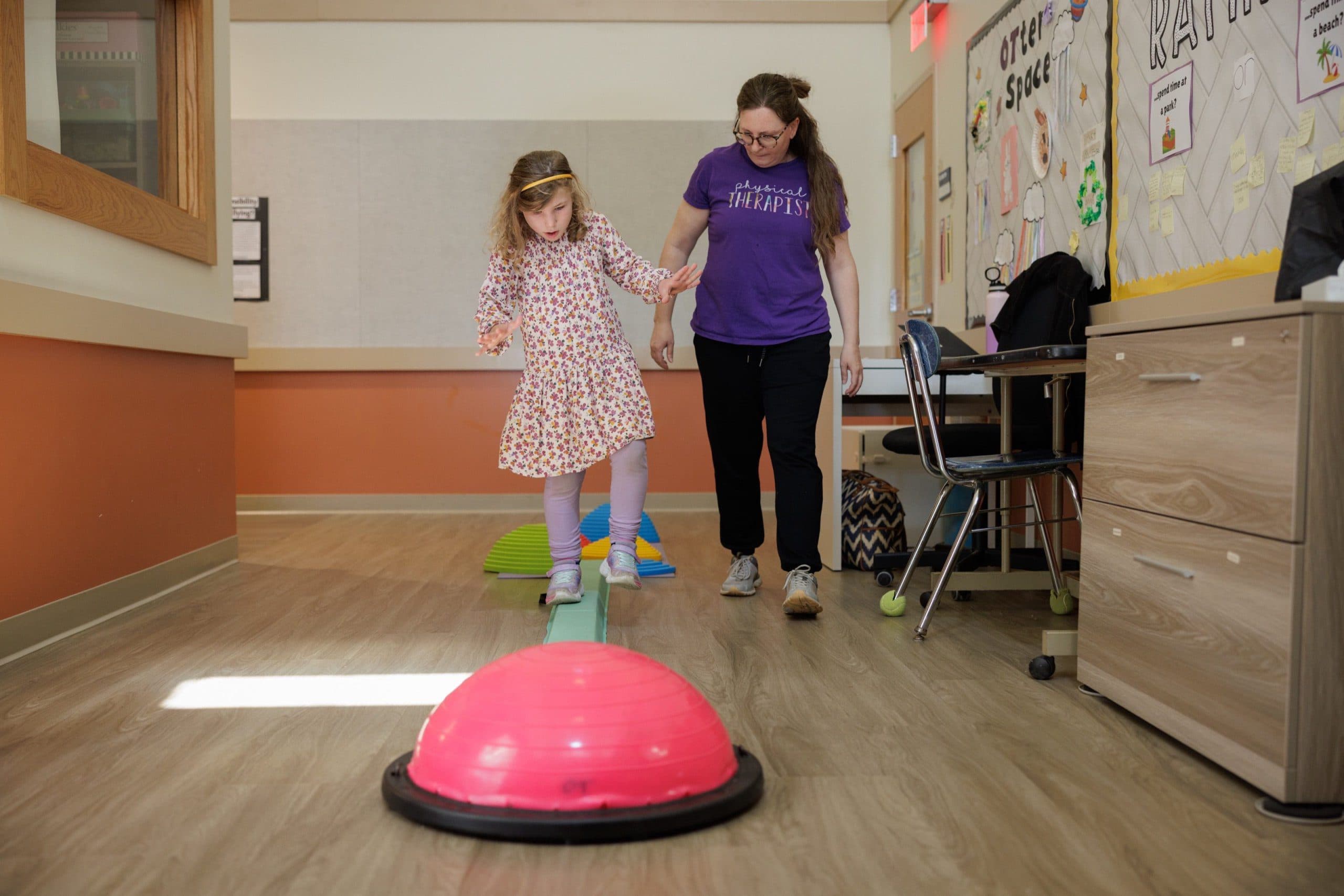
Some TQS students benefit from physical therapy to build strength, balance, and coordination. Others work on mobility, posture, or navigating the school environment with greater confidence and independence. Physical therapy is provided based on a student’s individual needs, helping them participate more fully in learning and everyday school activities.
Occupational Therapy
Doing more, every day
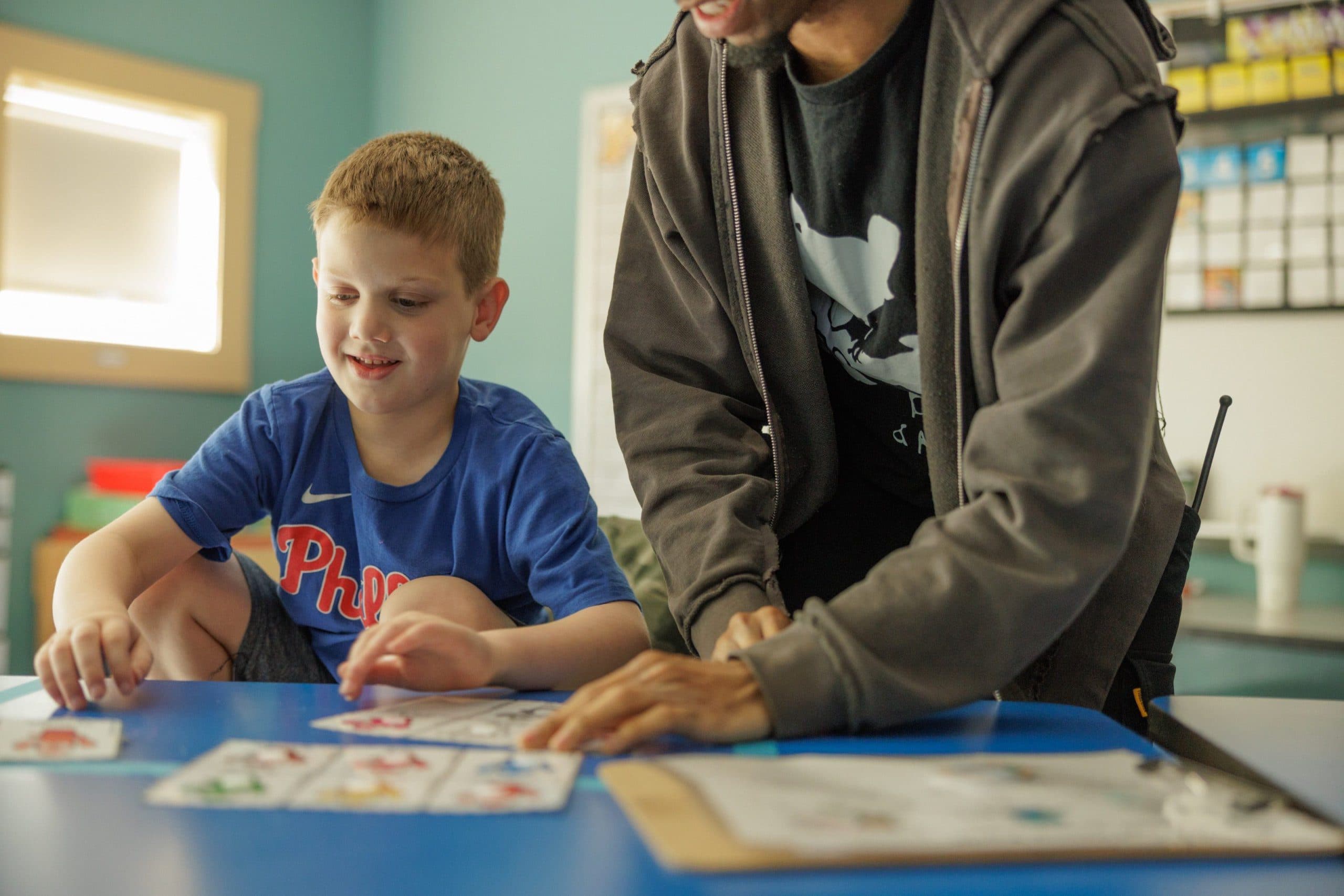
Occupational therapy is woven into the classroom’s daily routine, with strategies built directly into the way students learn, helping them navigate their environment and focus more comfortably.
Unique benefits of OT include:
Outcomes
Building focus and independence
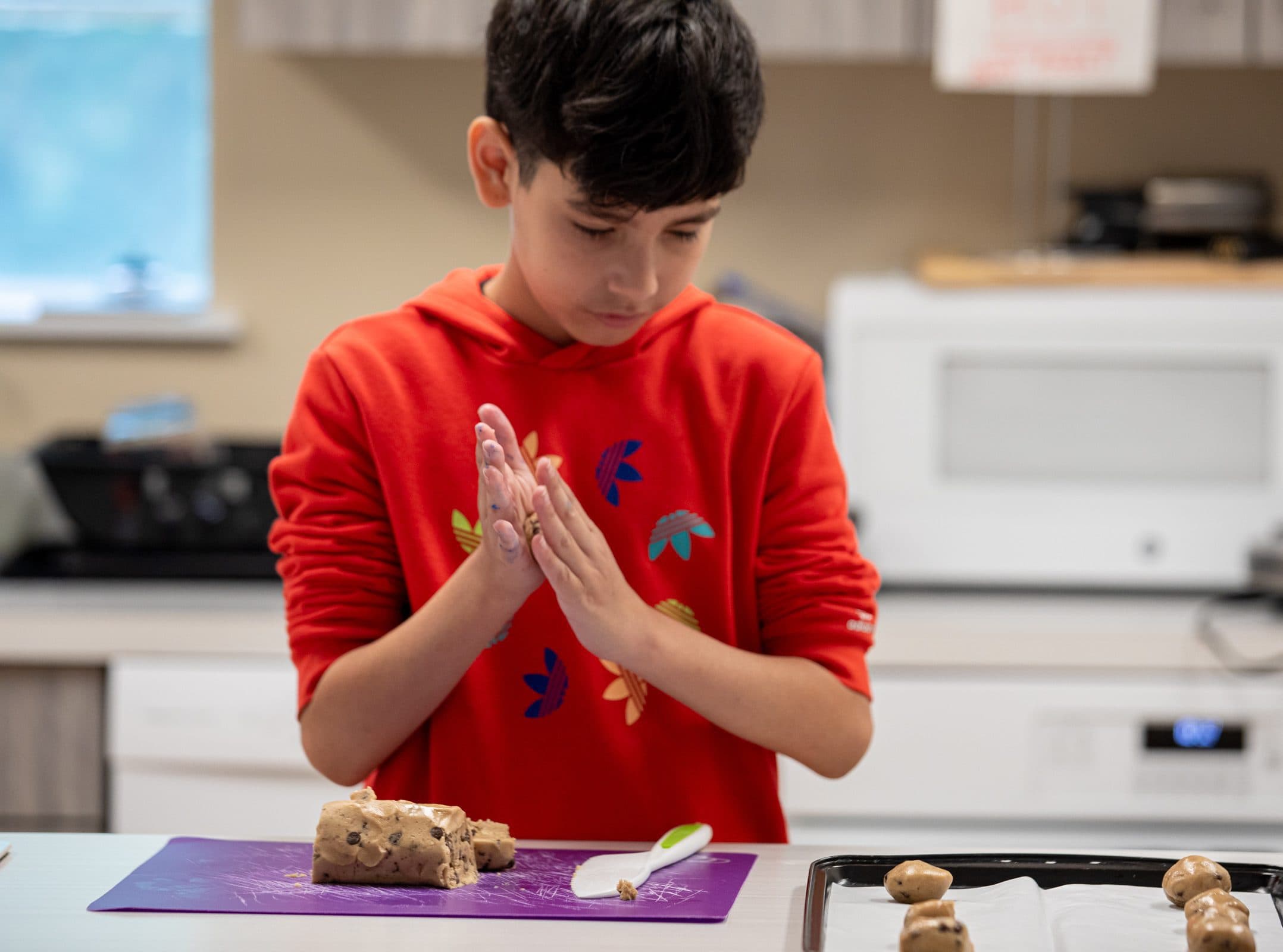
Practical tools your child can use every day
Your child will learn strategies and skills to support regulation, communication, movement, behavior, emotional well-being, and engagement in the classroom, based on their individual needs. This leads to stronger focus, growing independence, and greater confidence. Over time, these skills become familiar and are used more naturally.
The aim is for your child to start tasks more easily, stay engaged longer, and build skills that support future learning choices.
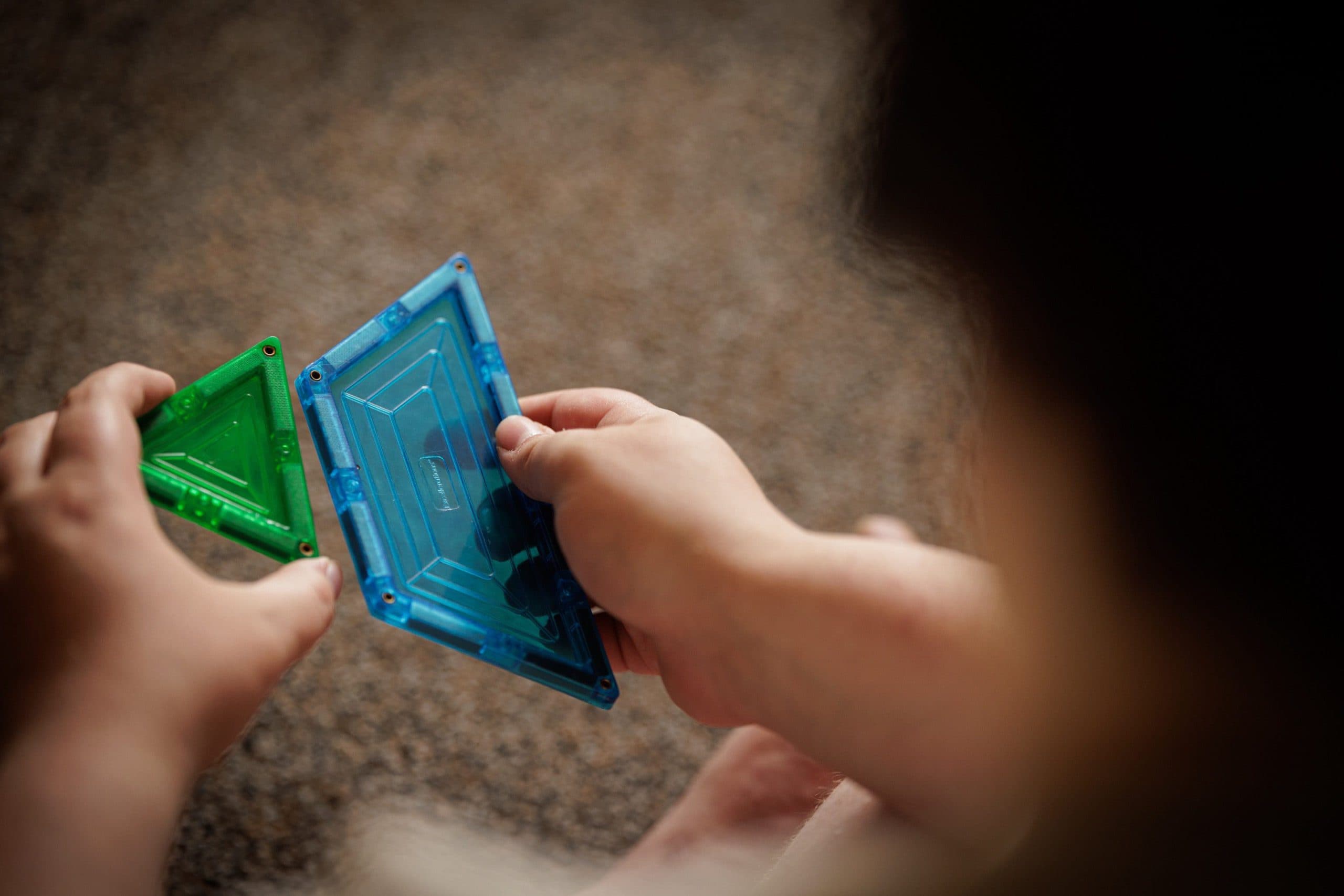
Is this right for your child?
If you think this environment could support your child, get in touch - we’ll discuss how it works so you can decide if TQS feels right.