Upper School
Where students take greater ownership of their learning and begin to understand who they are.
Who Upper School is designed for
Ready for more
Upper School at TQS is designed for students in Grades 9 through 12 who are ready to take on more, but who still benefit from a smaller, more supportive environment than a mainstream high school can offer.
Students who often thrive in Upper School:
Learning
What learning looks like in Upper School
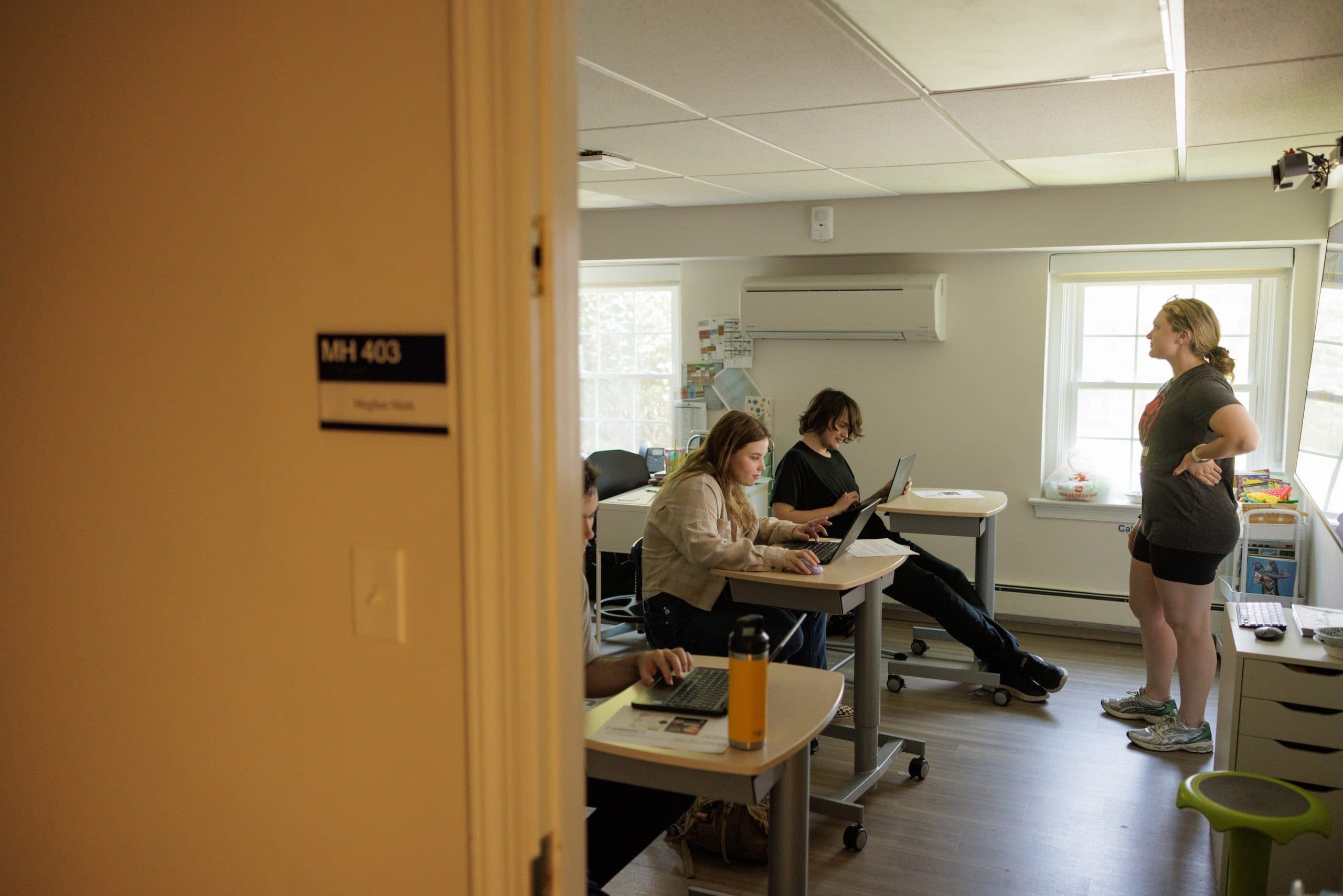
What learning looks like in Upper School
Upper School learning builds on the structure of K–8, with more room for complexity and independence. Students engage with academic subjects in greater depth, apply skills in practical contexts, and have more opportunity to choose how they demonstrate what they know.
Teachers continue to adapt their approach for each student — the difference is that students are increasingly involved in those conversations. They understand more about how they learn, and are supported to use that self-awareness as they move forward.
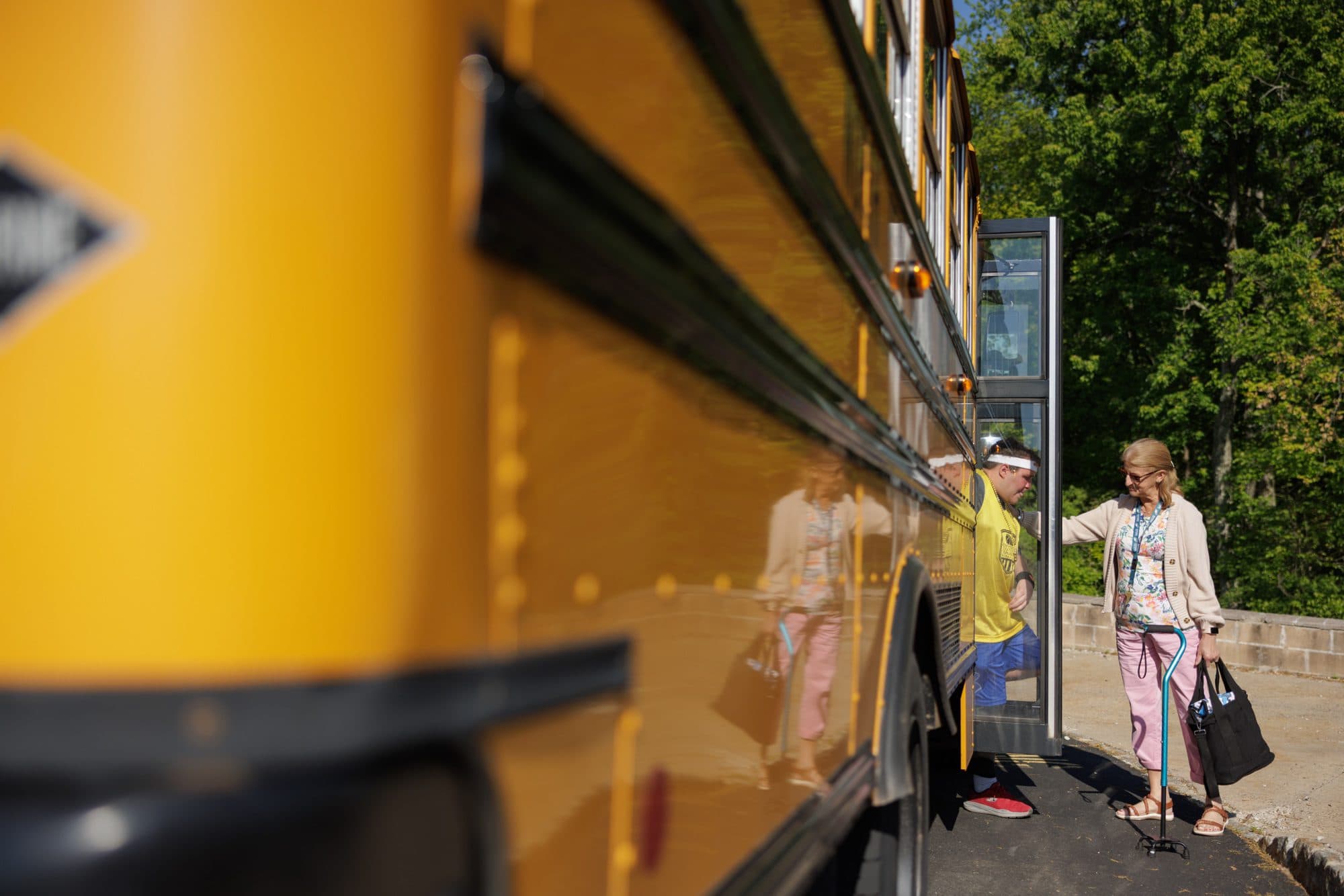
Building knowledge for an independent life
Curriculum
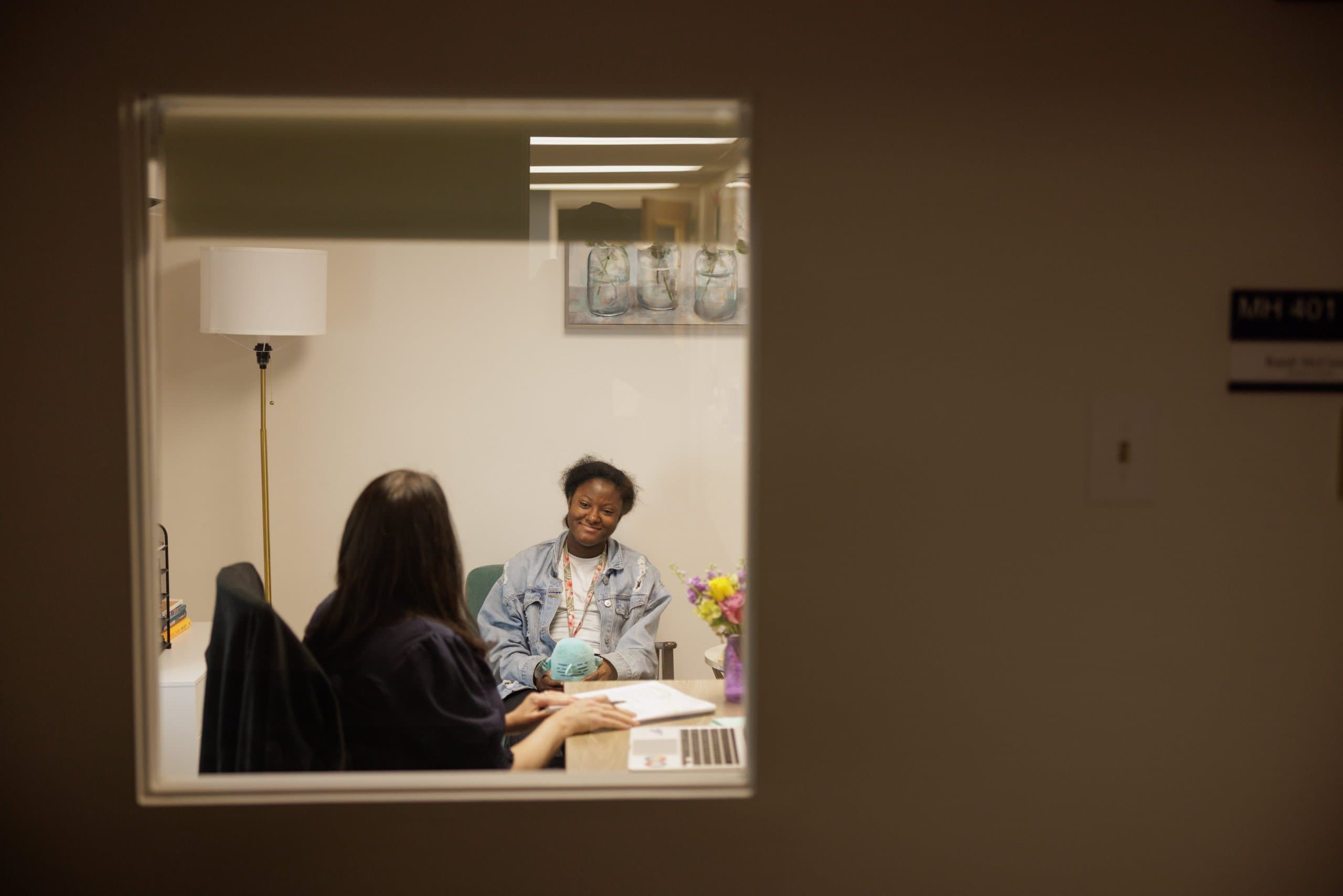
Students in Upper School work across academic subjects including English language arts, mathematics, science, and social studies, alongside applied and developmental learning. The focus shifts toward application, understanding how knowledge works in the real world, and how to use it independently.
Core areas include:
Specialist guidance
Support in Upper School
Specialists work alongside students throughout the day
Specialist support continues in Upper School, adapting as students grow. The focus at this stage often shifts toward supporting greater independence — helping students develop their own strategies, advocate for their needs, and navigate more complex social and emotional situations.
Support remains embedded in the daily program, not separate from it.
Support at this stage may include:
Preparing for the next stage
The learning environment
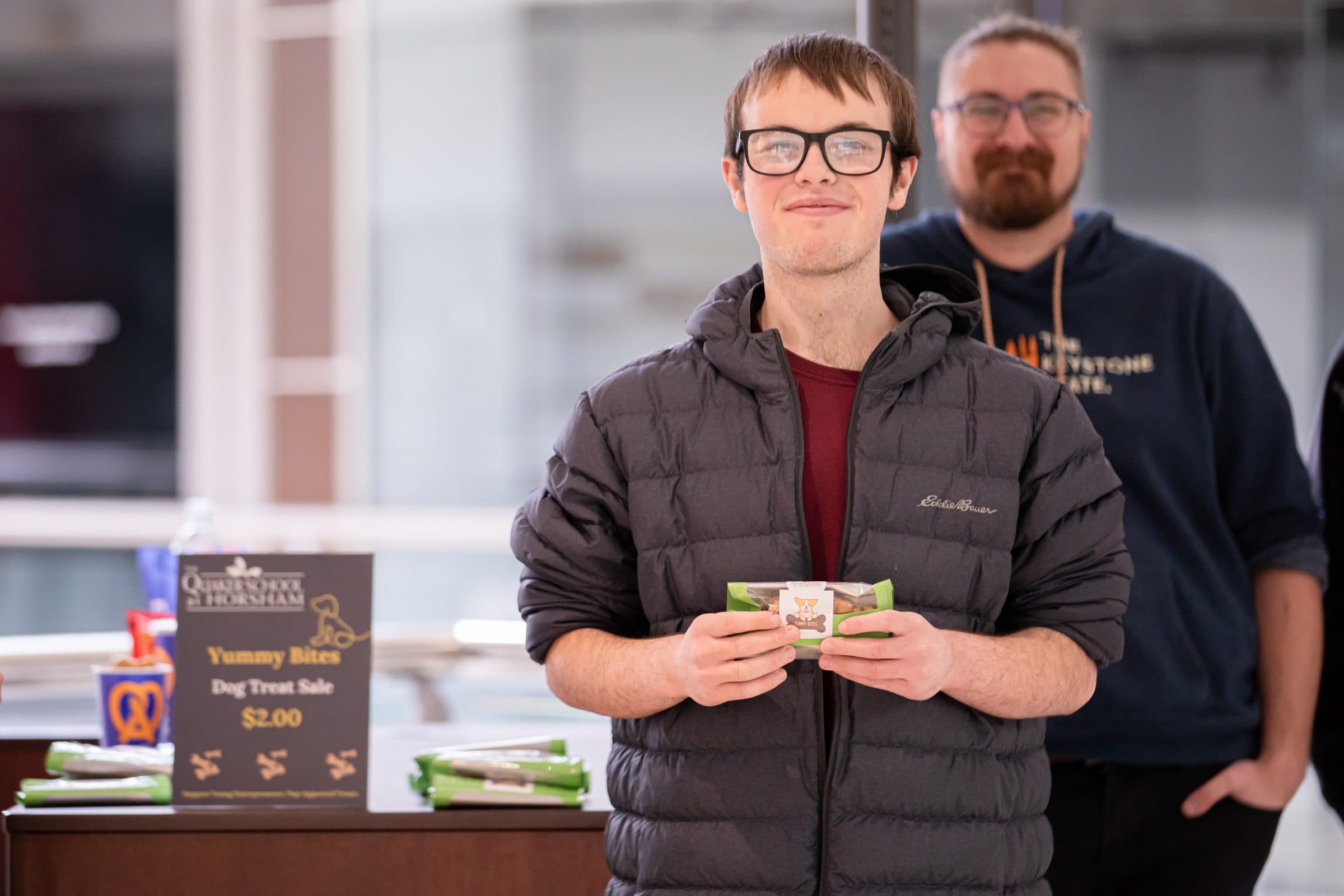
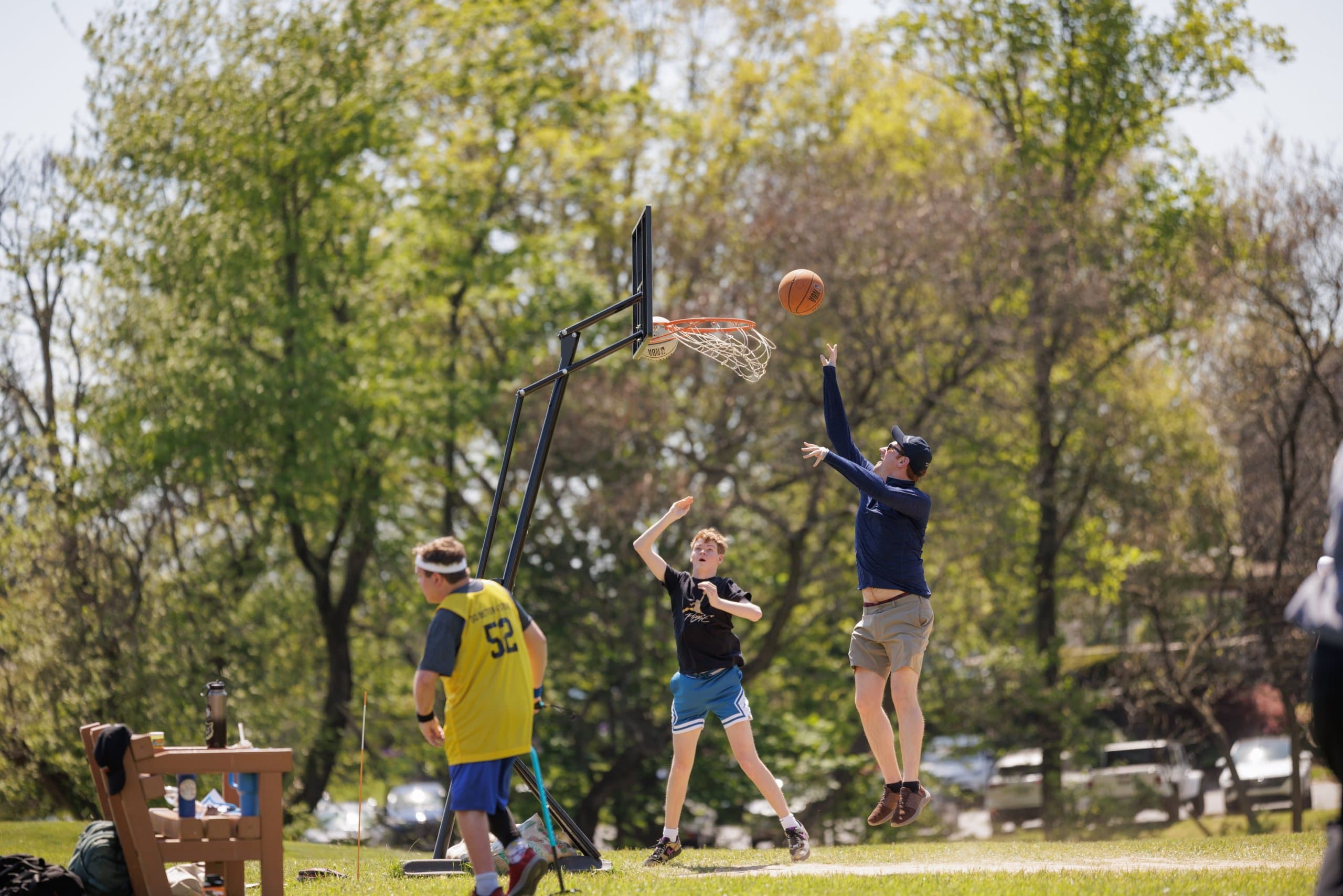
Upper School is designed to help students prepare for future pathways while remaining in an environment that feels structured and familiar. Learning happens across classrooms, shared spaces, community settings, and practical project environments where students can apply skills in real situations.
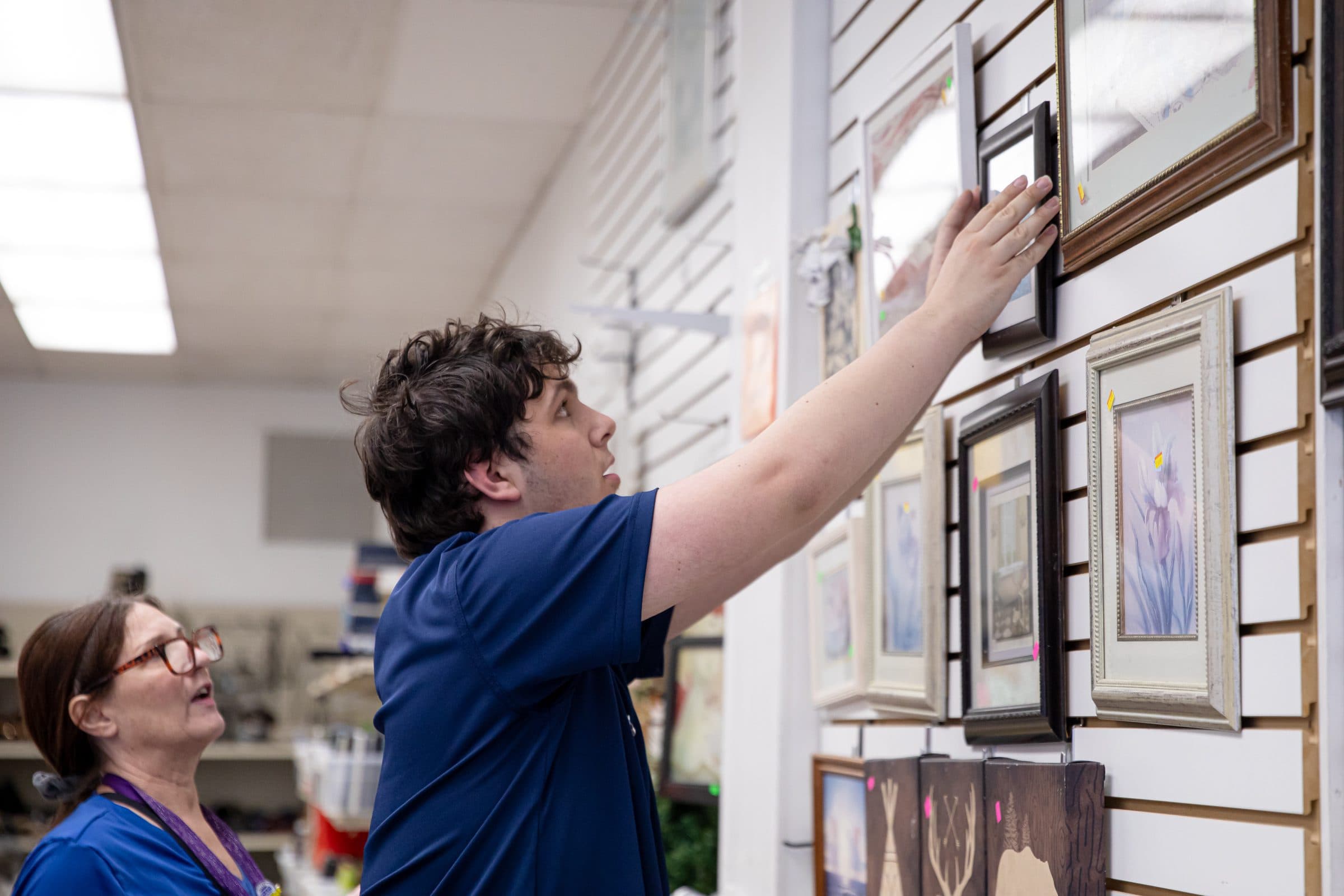
Spaces are set up for collaboration and movement, helping to develop greater independence. Students move between classrooms, business literacy projects, internships, field trips, and community-based experiences while receiving appropriate guidance from staff who have built relationships with them.
Where learning takes place
Outcomes
What students gain over time
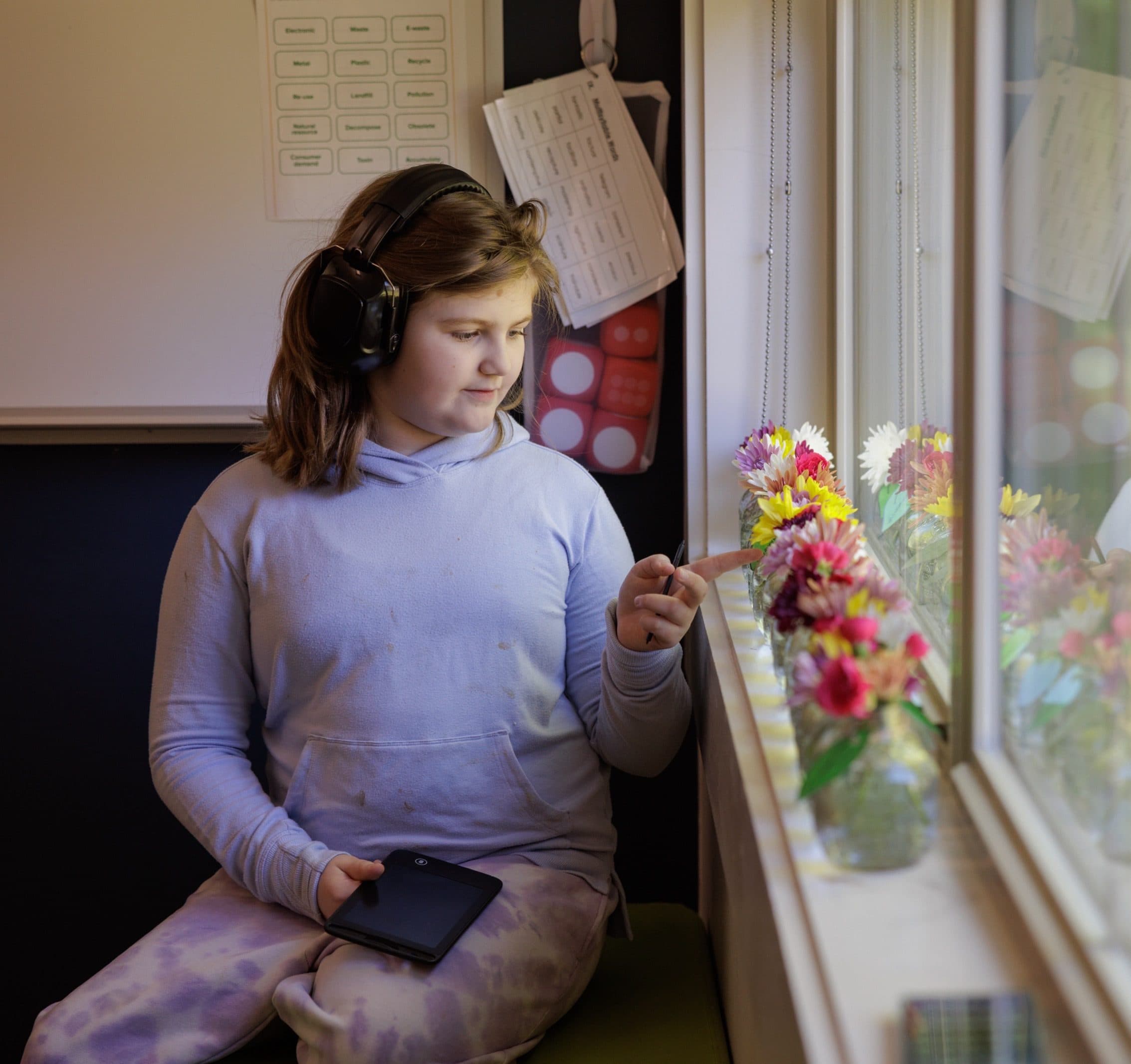
What students gain over time
Students who complete Upper School at TQS leave with more than academic credits. They leave with a stronger understanding of themselves, how they learn, what they need, and how to ask for it.
Many develop meaningful relationships and a sense of belonging that continues beyond their time at TQS. The focus has always been on building capability that transfers into life, not just school performance.
Pathway
Planning for life beyond Upper School
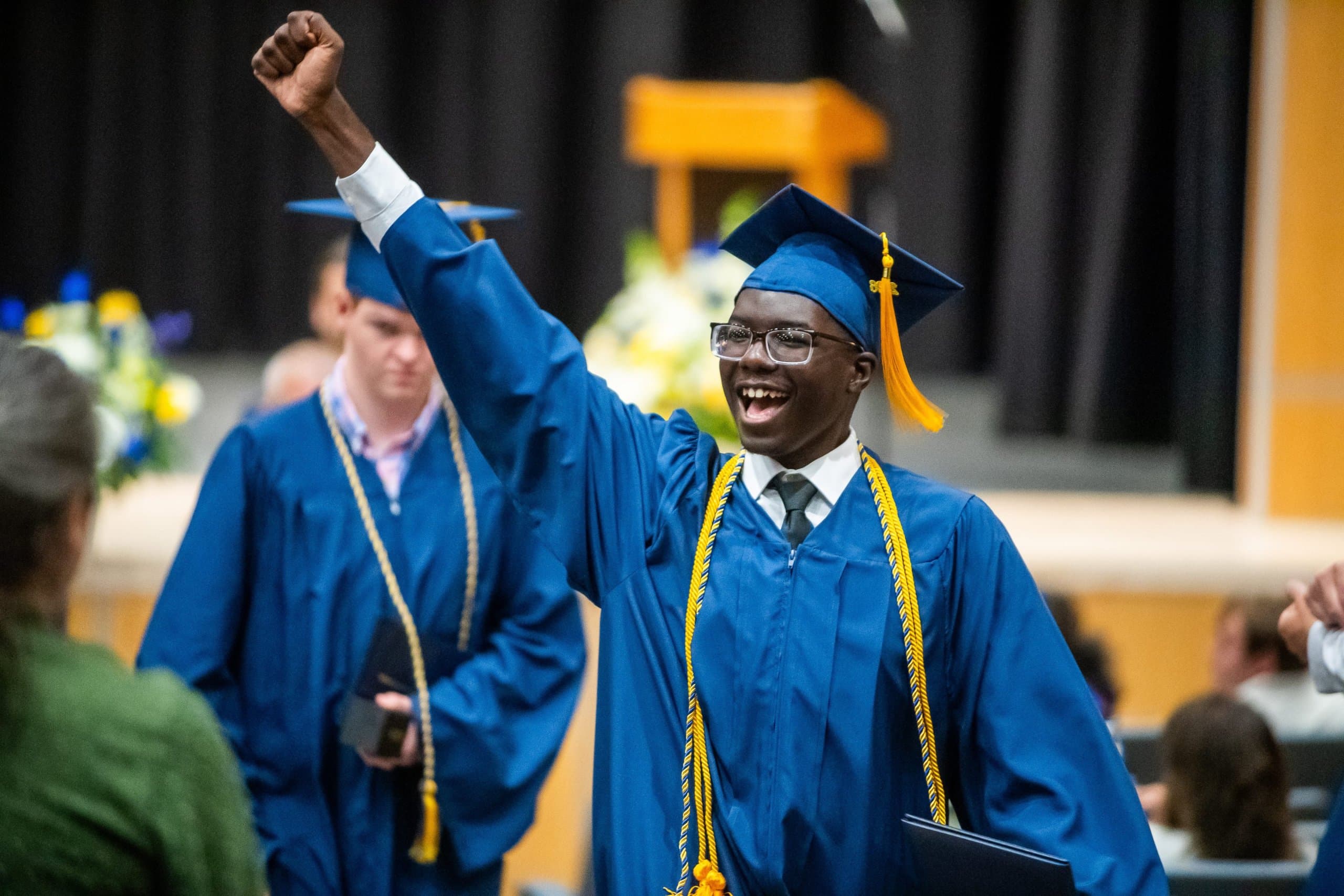
Planning for life beyond Upper School
Some students move from Upper School into the Real World Ready program, which focuses on transition skills and life beyond school. Others may graduate and move into supported employment, further education, or community life.
Either way, TQS works with families and students to plan the transition carefully and supportively.
Want to understand more?
We're happy to answer your questions and walk you through what the Upper School experience looks like.