How to Encourage Children with Complex Challenges to Exercise
The athleticism, the skill, the competition, the international cooperation.
The 2018 Winter Olympics made for a joyous two weeks as my wife and I watched the exciting events each day. Witnessing the drive of the athletes certainly lifted our spirits — and made us even more engaged when the end of the Olympics gave way to coverage of the Paralympic Games.
Created after World War II to give injured British war veterans a renewed sense of purpose, the Paralympics showcase people with disabilities at their very best. Today, thousands of athletes from more than 100 countries take part in the games.
Both Olympic programs served to remind me that physical fitness is one of the most important things we can do for ourselves.
It’s been shown that physical activity helps to prevent disease. Consistent exercise significantly reduces the incidence of stroke, type 2 diabetes, depression, arthritis and a number of types of cancer. Exercise also improves mood and concentration, controls weight and increases energy.
While there are myriad and sundry benefits to regular exercise, physical fitness can be more complicated for children with complex challenges.
Children with complex challenges often have gross and fine motor difficulties that can make it more challenging to play and compete in sports. Sensory issues can cause athletic gear or sweating to be especially uncomfortable. Impaired executive functioning can impact a child’s persistence, which is needed to excel in athletics. Finally, the interpersonal dynamics and communication needed to be part of a sports team can also be a challenge for some.
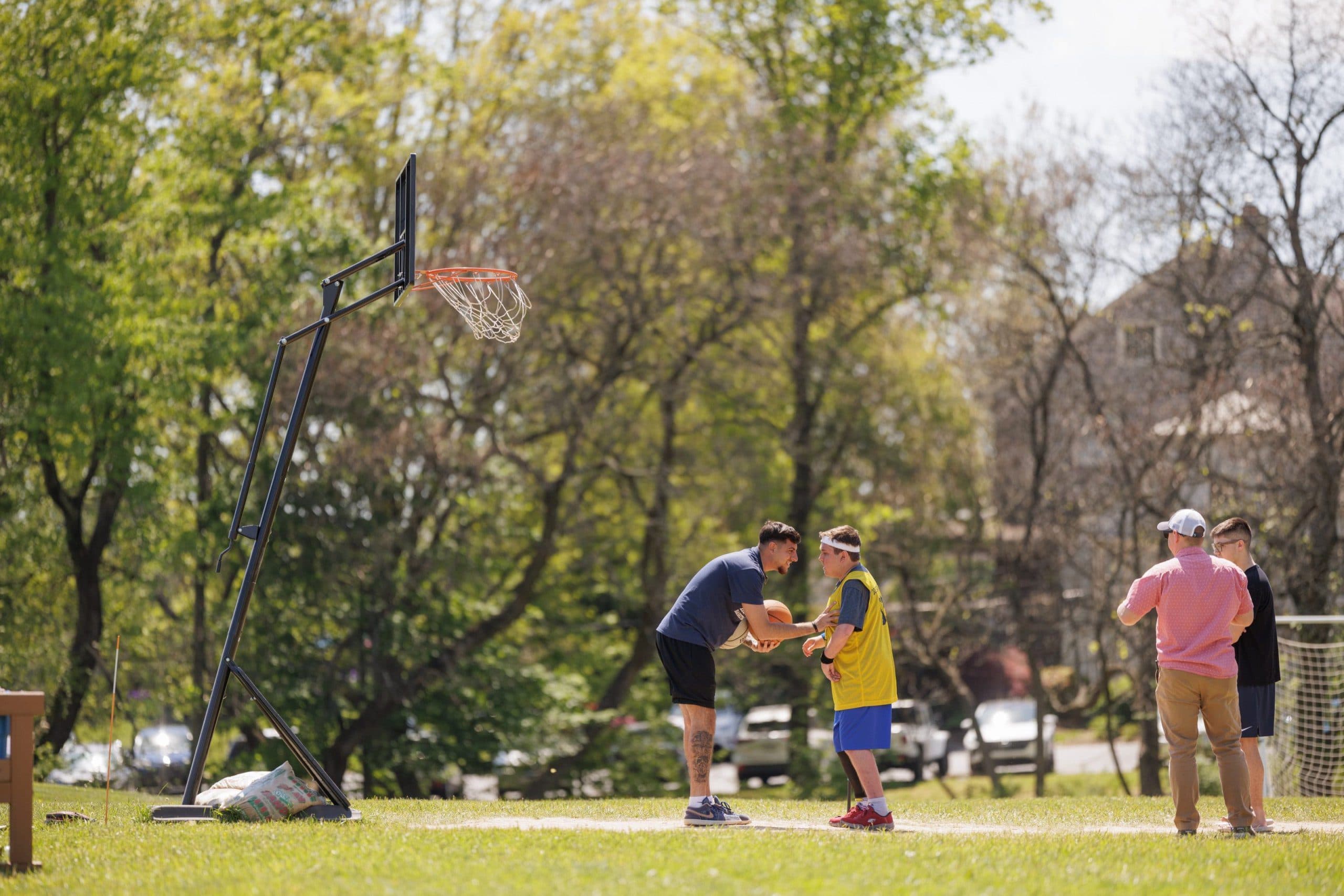
While these challenges are real and can be barriers, the benefits of physical activity outweigh the drawbacks. Even a small amount of regular activity can positively impact children with complex challenges.
So what can you, as a parent, do If your child with complex challenges is struggling with physical exercise? Here are four physical activities to try:
#1: Yoga
The benefits of yoga for children with complex challenges are numerous. We enthusiastically employ yoga here at The Quaker School at Horsham (TQS). Our teacher, Amanda, usesGrounded Kids Yoga, a program designed to help children with special needs become aware of their bodies and feelings and use yoga poses to fight negative feelings and impulses.
If you are not near a practitioner of Grounded Kids Yoga, any caring, inclusive instructor will be able to make any adjustments your child needs to enjoy the benefits of this practice.
#2: Hiking
I once heard someone refer to walking as the original exercise. Hiking burns calories, increases cardiovascular health, helps balance and metabolism and encourages children to get in touch with nature.
Begin with short trails that are easy to navigate, and slowly up the challenge level. Set a time limit — maybe 20 minutes to start — rather than a destination. Bringing your child out and letting them explore at their own pace is much more important than pushing them to make it to the mountaintop.
#3: Running
Every fall, TQS fields a cross-country team. It’s so exciting to witness how the students learn and grow under the tutelage of our dedicated coaches.
If your child is interested in running, start small by running one minute and walking two. Try this pattern for 10 minutes first and build upward. Running builds cardiovascular health, gross muscle tone, balance and perseverance – and all you need to get started is a pair of sneakers and some patience!
#4: Martial Arts
Which style you choose for your child isn’t as important as the attitude of the owner of the school and the instructors.
My daughter Pearl used to take karate at New Paltz Karate Academy. She was in no way cognitively or physically able to keep up with the class. Yet the owner was deeply and personally committed to Pearl being able to participate any way she could.
Show your child movies featuring the Teenage Mutant Ninja Turtles, Power Rangers, Lego Ninjago ninjas, or other superheroes to get them motivated. Then find a martial arts school with a caring and inclusive sensei. You will see your child’s confidence, flexibility, endurance, strength and balance soar.
In what ways does your own family like to be physically active? Let us know in the comments below, or join the conversation on Facebook.