“All Children Do Well If They Can” + More Insights on Challenging Behavior from Ross Greene, Ph.D.
How many times, as a parent, have you tried to motivate your child to behave the right way? And how many times, as a parent, have you become frustrated when your child’s behavior stays the same?
We’ve all been there — and it’s because motivation may not actually be the key to compliance from children.
Children truly want to be loved and celebrated. They flourish on feeling accomplished. If they do not behave appropriately, it is because they don’t have the cognitive skills for the task they’re being asked to do — not because they don’t want to do it.
The key concept that all children do well if they can is the foundation of Dr. Ross Greene’s research and model of intervention, known as Collaborative & Proactive Solutions (CPS).
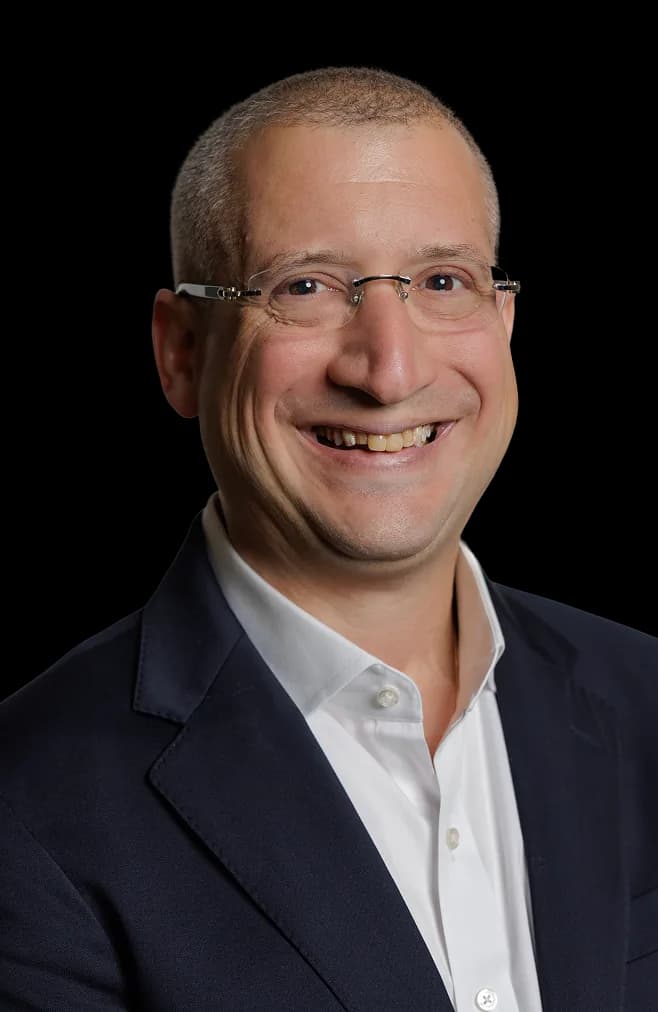
Dr. Greene spoke about his innovative research findings during The Quaker School at Horsham’s 2nd Annual Children with Complex Challenges Conference on Wednesday, May 9.
Ross W. Greene, Ph.D., is the founding director of the non-profit Lives in the Balance. Through his research, books and nonprofit, he aims to disseminate the CPS model through web-based programming at no cost. He also advocates on behalf of behaviorally challenging kids and their parents, teachers and other caregivers.
Dr. Greene promotes non-punitive, non-adversarial interventions from parents, teachers and caregivers — interventions without the use of corporal punishment, restraint and seclusion, or detention, suspension and expulsion in schools and daycare settings.
Here are four insights we learned during the conference program, and how you can apply them to your own family:
#1: All children want to do well if they can.
Some kids simply lack the skills to handle certain demands and expectations. Challenging behavior therefore occurs when the expectations being placed on the child exceed his or her capacity to respond adaptively.
#2: Behavior is the fever, not the virus.
Dr. Greene’s interventions don’t focus on the challenging behavior or diagnosing the behavior; instead, the model focuses on identifying the skills the child is lacking and the expectations he or she is having difficulty meeting.
Struggles at home and in school are what happen at the intersection of lagging skills and expectations. The goal for parents and caregivers is to solve those problems, rather than trying to modify kids’ behavior through application of rewards and punishments.
#3: “Fair” means that every child is getting what they need.
Fairness doesn’t equate to every child being treated the same, because all children have unique needs. The definition of good parenting, good teaching and good treatment is actually treating each child differently — by being responsive to that child’s specific needs.
#4: Solving problems requires collaboration.
Adult theories of why children behave a certain way are usually based on correlation and are almost always wrong. Incorrect explanations then lead to incorrect interventions. With collaboration between adults and children, we can find effective solutions, even when the challenges may at first seem insurmountable.
Want to know why your child acts a certain way? Ask them. Want to know how to get them to make better behavioral choices? Ask them.
Asking the right way requires practice and skills, however. A good place to start? Take the walking tour on Dr. Greene’s website and follow his instruction to begin learning how to talk to your children about their behavior in a way that yields positive results.
If your kid is a kid, the Collaborative & Proactive Solutions program will help.
CPS is proven by a veritable mountain of research to help a wide variety of children — from children who scream, hit, spit, bite and kick, to children who sulk, wine, pull away or complain too much.
We are thrilled that The Quaker School had the opportunity to learn from Dr. Ross Greene, and we encourage any parents or educator interested in learning more about CPS to read his influential books, The Explosive Child, Lost at School, Lost & Found, and Raising Human Beings, or to visit the wealth of resources available on his website.
With the knowledge of research like this, we can equip and encourage our children to choose positive behaviors and thrive.
Interested in attending one of our upcoming events? Join the mailing list so that you don’t miss out!